
The Best Live Dealer Casino Games for a Realistic Home Experience
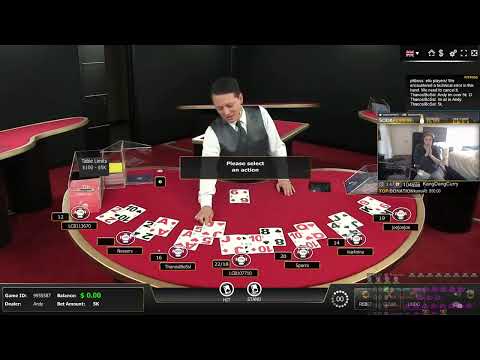
Unlike fully automated online tables, live dealer casinos stream a real human dealer from a dedicated studio or actual casino floor directly to your screen. You interact with the game through a chat interface while watching cards being dealt or a roulette wheel spin in real time. This bridge between digital convenience and physical authenticity creates a more immersive and trustworthy experience for players who miss the social cues of a land-based venue.
The Rise of Real-Time Table Gaming Online
The hum of the casino floor now emanates from your screen, as real-time table gaming through live dealer casinos bridges the gap between physical and digital worlds. You watch a croupier shuffle actual cards in a studio, your bets placed via an interface that mirrors a felt table. This immediacy transforms solitary internet play into a shared experience, with chat windows buzzing as hands unfold. A player learns to read a dealer’s subtle pause before shuffling, a nuance impossible in automated games. The rise means you no longer settle for algorithms; you demand the human touch of a real wheel spin, a genuine card flip, all streamed in sync with your decisions.
How Streaming Technology Reshaped the Virtual Casino Floor
Streaming technology eradicated the digital abstraction of virtual tables by enabling real-time video feeds from physical casino floors. This allowed players to watch a human dealer shuffle cards or spin a roulette wheel from a studio, instantly shifting the experience from random number generators to live, observable action. Multiple camera angles—close-ups of the felt and wide table views—gave users control over perspective, while low-latency encoding ensured bets placed on a screen matched the dealer’s real-time actions. Latency reduction became critical, as any delay between a player’s click and the dealer’s reaction broke immersion.
- Replaced simulated RNG interfaces with live video feeds from dedicated studios or actual casino floors.
- Integrated multiple high-definition cameras to offer adjustable player viewpoints of the table and dealer.
- Enabled real-time synchronization of user input (bets, decisions) with the dealer’s physical movements via low-latency encoders.
Why Players Shift from RNG Games to Human-Hosted Tables
Players often move from RNG games to human-hosted tables because the random number generator feels cold and disconnected. At a live dealer table, you get real cards or a physical roulette wheel, along with a chatty croupier who reacts to wins and losses. That authentic social interaction builds trust—you see the action unfold in real time, not behind an algorithm. It also removes the suspicion that the software is rigged against you. The friendly banter and shared tension with other players recreates the buzz of a brick-and-mortar casino, making each hand or spin feel personal and honest.
Players shift to human-hosted tables for tangible fairness, genuine human connection, and the casinous.com online casino reassuring rhythm of a real dealer, replacing abstract code with a trusted, social experience.
Core Components of a Professional Studio Setup
The core components of a professional studio setup in a live dealer casino begin with a multi-camera array, typically using PTZ (Pan-Tilt-Zoom) units positioned to capture the table, the dealer, and critical close-up angles of the game surface. Dedicated studio lighting is essential, employing soft, flicker-free LEDs to eliminate shadows and ensure consistent, high-definition image quality across all streams. The physical table itself is a proprietary component, integrated with RFID chips and Optical Character Recognition (OCR) cameras to instantly digitize every bet and card result. A back-end system, including a Game Control Unit (GCU), synchronizes video and data feeds, relaying this information directly to the player’s interface with zero perceptible latency. Finally, professional-grade audio equipment isolates the dealer’s voice and game sounds, creating an immersive, authentic environment that directly replicates the physical casino floor.
Optical Sensors and Multi-Angle Camera Arrays
Optical sensors in each camera capture dealer hand movements and card faces with sub-millimeter precision, ensuring no detail is lost to motion blur. Multi-angle camera arrays arrange three to six fixed-lens units around the table, providing seamless switching between bird’s-eye, chip-level, and close-up views. Optical sensor synchronization across these angles eliminates latency gaps, so the stream feels fluid. This optical redundancy also allows the system to mask any single camera’s temporary obstruction without disrupting the player’s view. The result is a cohesive visual feed that supports split-second betting decisions.
Soundproof Environments and Dealer Training Protocols
A professional live dealer casino studio demands acoustic isolation for broadcast integrity. Soundproof environments eliminate external noise, ensuring every card shuffle, chip stack, and dealer instruction is captured cleanly without distraction. Dealer training protocols reinforce this by teaching strict adherence to microphone positioning and silent hand gestures, preventing unintended audio contamination during play. Dealers practice maintaining consistent voice levels while avoiding sudden movements that could disrupt sound absorption. This dual focus on room design and behavioral discipline guarantees players hear only the authentic game atmosphere, free from background hum or muffled chatter.
Soundproof environments block external noise; dealer training eliminates internal noise—together they create an uninterrupted, professional audio experience for every player.

Game Control Units and Real-Time Data Processing
The Game Control Unit (GCU) is the hardware hub that encodes real-time video, audio, and dealer actions from the studio table into a synchronised data stream. This stream, processed at sub-second latency, is sent to the player interface, where software reconciles live dealer moves with digital bets. Real-time data processing ensures that card values scanned by the GCU’s optical sensors instantly update on a player’s screen, preventing drift between physical and virtual states.
- The GCU compresses high-definition video feeds without introducing noticeable delay.
- Real-time data processing correlates dealer hand gestures with automated RNG outcomes for hybrid games.
- The unit transmits error-checking metadata to the server to flag timing mismatches immediately.
Popular Game Variants You Can Play with a Human Dealer
In a live dealer casino, popular game variants include classic blackjack, where you can choose side bets like Perfect Pairs, and roulette with European or American wheels. Baccarat offers speed variants like Speed Baccarat, while poker fans enjoy Casino Hold’em and Three Card Poker against the dealer. Game shows like Monopoly Live and Dream Catcher also feature a human host spinning a wheel.Q: Which variant is best for low house edge? A: Live blackjack offers the lowest house edge, often under 1% with basic strategy. These games stream from studios or land-based floors, allowing real-time interaction and decision-making.
Blackjack: Speed, Side Bets, and Multilingual Tables
For players craving faster action, speed blackjack variants in live dealer casinos tighten the pace by reducing decision time to mere seconds per hand, eliminating the lull of standard tables. Side bets like “21+3” or “Perfect Pairs” inject instant rewards beyond a basic win, paying out for dealt combinations such as suited cards or poker-style hands. Multilingual tables further enhance accessibility, offering real-time support and chat in languages like Mandarin, Spanish, or German, ensuring clear communication regardless of the dealer’s base language. This trio of speed, layered payouts, and language options transforms blackjack from a simple card game into a dynamic, globally adaptable experience.
Speed blackjack, side bets, and multilingual tables create a faster, more rewarding, and universally accessible live dealer blackjack session.

Roulette: European, American, and Lightning Editions
In live dealer casinos, Lightning Roulette electrifies the classic European wheel by adding random multipliers of 50x to 500x on winning numbers. You place standard bets on a single-zero grid, but if the ball hits a “lucky number,” your payout skyrockets. For contrast, American Roulette features a double-zero pocket, which slightly shifts odds. The play sequence is straightforward:
- Choose between European (single zero) or American (double zero) tables.
- Place chips on numbers, colors, or sections via an interface.
- For Lightning, select numbers and wait for RNG-generated multipliers to appear before the wheel spins.
- Watch the live dealer release the ball; winning bets are paid instantly including any lightning boosts.
Each variant offers distinct pacing and payout potential, letting you switch between traditional 1-to-36 calls and electrified high-risk wagers in the same session.
Baccarat: Squeeze, No-Commission, and High-Stakes Rooms
For players seeking the authentic Macau ritual, Baccarat Squeeze tables let you personally bend and reveal each card, heightening suspense with every millimeter. The No-Commission variant eliminates the 5% banker fee on winning Banker bets, instead paying even money on all wins save a specific “Super 6” outcome (which pays half). High-Stakes Rooms offer private, dedicated tables with elevated limits and a single dealer focused solely on your game, ensuring rapid action and complete exclusivity. These three variants transform standard play into a tailored, high-reward experience.
Baccarat: Squeeze for ritual reveal, No-Commission for simpler payouts, and High-Stakes Rooms for private, premium play.
Poker-Based Options: Three Card, Caribbean Stud, and Ultimate Hold’em
In a live dealer casino, poker-based options like Three Card, Caribbean Stud, and Ultimate Hold’em shift focus from player-versus-player dynamics to beating the house. Three Card Poker offers two main wagers: the Ante-Play, where you compete against the dealer’s hand, and the Pair Plus, which pays based solely on your own hand’s rank. Caribbean Stud uses a single five-card hand, requiring you to fold or raise after seeing your cards and one dealer card. Ultimate Texas Hold’em allows you to bet pre-flop, flop, and river, with the goal of having a better hand than the dealer. Each variant uses standard poker hand rankings but eliminates bluffing, as all decisions are made against the dealer’s exposed hand.
How to Select a Platform for Authentic Streaming
When selecting a platform for authentic streaming in a live dealer casino, prioritize high-definition video quality with multiple camera angles to capture every card shuffle and roulette spin without delay. Verify that the platform uses dedicated studios with professional croupiers, ensuring the stream isn’t pre-recorded. Check for real-time chat interactivity that lets you communicate with dealers, as this mirrors a physical casino’s energy. Avoid platforms with choppy frame rates or audio lag, which break immersion. Insist on seamless multi-device compatibility, so the stream remains crisp on mobile or desktop during live play. Finally, test the platform’s low-latency streaming protocol; smooth, instant feedback is the hallmark of a trustworthy, genuine live experience.
Licensing Jurisdictions and Independent Audits
A trustworthy live dealer casino must hold a license from a respected jurisdiction like Malta or the UK, ensuring strict oversight of game fairness. Independent audits, performed by firms such as eCOGRA or iTech Labs, then verify that the random number generators and live card shuffles meet declared return rates. Independent audit verification protects you from rigged outcomes. Q: How often do independent audits occur? A: Reputable platforms undergo quarterly or monthly audits, with current certificates often published on their site for transparent review.
Minimum Bet Limits and Table Availability Windows
When jumping into a live dealer casino, always check minimum bet limits and table availability windows first. You don’t want to sit down at a blackjack table only to find the minimum bet way over your budget, or worse, discover your favorite roulette wheel is only open during hours you’re asleep. Look for platforms that clearly list their betting thresholds right next to each table. Also, note if tables run 24/7 or only during peak hours—some studios limit late-night availability for niche games like baccarat or speed poker. Matching these windows to your play schedule saves frustration and keeps the fun flowing smoothly.
Mobile Responsiveness and Interface Lag Testing
When selecting a platform for authentic live dealer action, mobile responsiveness testing must be your first checkpoint, as delayed interface reactions can break the illusion of a real-time table. Swipe through the game lobby on your device and watch for stuttering card reveals or spinning wheels that skip frames. Lag between your bet placement and visual confirmation reveals poor server synchronization. A truly responsive interface responds to your touch with sub-second latency, mirroring the tactile pace of a brick-and-mortar casino. Run these checks during peak hours to gauge real-world performance, not just controlled demos.
- Test swipe and tap responsiveness across all bet buttons and chat functions
- Verify that video feed and user inputs remain synchronized without delay
- Check for frame drops or buffering when switching between live tables
- Assess lag during fast-paced betting rounds, like Speed Baccarat
Technological Backbone: Encoding, Latency, and Security
A live dealer casino’s reliability hinges on its encoding, latency, and security. Low-latency streams, often under one second, ensure your bets and dealer actions feel instantaneous, while H.265 encoding delivers crisp video without choking your bandwidth. Advanced encryption (e.g., AES-256) scrambles every packet of video and bet data, preventing interception. Q: How does latency impact gameplay if security slows the stream? A: Security protocols like TLS are optimized to add negligible delay—typically under 50ms—so your protected feed remains fluid. Without this tightly interlocked technological backbone, the immersive illusion of a real table would collapse into lag, pixelation, or vulnerability.
Low-Latency Protocols for Seamless Interaction
In live dealer environments, low-latency protocols eliminate perceptible delay between player actions and dealer responses, ensuring bets and chat messages transmit in near real-time. WebRTC-based data channels bypass traditional HTTP overhead, using UDP for faster packet delivery. This protocol sequence underpins interaction:
- Client encodes input (e.g., bet or emote)
- Packet travels via optimized edge server
- Dealer’s interface receives and mirrors action in under 200ms
Even sub-100ms latency preserves the illusion of physical presence, making each spin or card draw feel immediate and synchronous. The result is fluid gameplay where hesitation never breaks immersion.
Encryption Standards Protecting Bet Placement Signals
When you click to place a bet in a live dealer casino, that signal is immediately armored by end-to-end AES-256 encryption. This military-grade standard scrambles your bet amount, hand selection, and timestamps into indecipherable code before they leave your device. Only the dealer’s interface can decrypt the exact wager, preventing packet sniffers from intercepting or modifying your move mid-transmission. TLS 1.3 handshakes further wrap each signal in a fresh session key, ensuring no two bet placements follow the same cryptographic path. This keeps your real-time action airtight against man-in-the-middle attacks, so the split-second you raise or fold stays solely between you and the table.
AI Moderation for Fraud Detection and Fair Play
In the high-stakes environment of live dealer tables, AI fraud detection algorithms continuously analyze player behavior in real time, flagging irregular betting patterns or chip-dumping that could signal collusion. This same AI ensures fair play by cross-referencing game outcomes against statistical norms, instantly catching dealer-deviations or card-counting exploits. The system operates invisibly, scrubbing every hand and chat message for even subtle manipulation, maintaining integrity without slowing gameplay. Players benefit from a secure yet fluid experience, where AI moderation acts as an impartial referee, guaranteeing every spin and deal remains both unpredictable and honest.
Strategies for Engaging with a Live Environment
Engaging effectively in a live dealer casino starts with treating it like a real social game, not a solo video slot. A key strategy is to **watch the game flow** before jumping in; observe the dealer’s pace and how other players bet. Use the chat feature to build rapport—a friendly greeting can make the environment more relaxed and informative. You can ask the dealer about their hand or speed of dealing. Another tip is to **manage your betting cadence**; don’t rush bets just because the camera is rolling. Instead, wait for the dealer to announce the betting window. This helps you avoid mistakes and keeps the experience smooth and immersive, mirroring the calm rhythm of a physical table.
Reading Shoe Patterns and Dealer Tells
Reading the shoe pattern involves tracking card distribution in games like live blackjack or baccarat, spotting streaks or clusters that suggest momentum shifts. You observe dealer tells—a subtle hesitation, a flick of the wrist, or how they handle the cut card. These micro-movements can hint at card values, giving you a predictive edge before the reveal. Consistent focus on rhythm and repetition trains your eye to separate random shuffles from exploitable tendencies, turning passive watching into active advantage.
Mastering shoe patterns and dealer tells turns live dealer observation into a practical skill for reading game flow.
Bankroll Management Across Extended Sessions
Extended live dealer sessions demand a shift from per-session thinking to sustained session bankroll management. You must pre-allocate a distinct reserve for the full duration, then divide that sum by the number of sessions you anticipate playing. Each session’s budget becomes a hard cap; if lost, you stop entirely for that day, preventing cumulative draws from eroding your overall capital. Adjust your base bet downward relative to your total reserve—using 1–2% of the entire allocation rather than a single session pot—to absorb variance across multiple hours. This structure forces a disciplined, logical spacing of wagers, ensuring you can weather downswings without depleting your entire bankroll before the final session.
Utilizing Chat Functions for Loyalty Bonuses
In live dealer casinos, operators deploy chat functions to issue loyalty bonuses directly during gameplay, rewarding real-time engagement. Players who participate in table chat—such as greeting the dealer or reacting to outcomes—trigger automated bonus credits or free bets, often tracked via chat-tied metrics. The system typically analyzes message frequency against session time, awarding incremental bonuses for sustained, non-spam dialogue. This method subtly incentivizes active participation without relying on wagering volume alone, creating a feedback loop where chat activity unlocks exclusive in-round perks.
Chat-based loyalty bonuses turn social interaction into a direct, real-time reward mechanism, deepening engagement by tying player recognition to verbal table presence rather than solely to betting patterns.
Common Pitfalls to Avoid at Real-Person Tables
A critical pitfall at real-person tables in live dealer casinos is abandoning basic blackjack or baccarat strategy, believing the dealer’s personality or pace affects the math. This emotional betting leads to over-insuring or chasing losses. Never play side bets impulsively, as they carry a massive house edge.
Treat each hand as an isolated probability event, not a narrative.
Another common error is clicking “Rebet” without reviewing your previous hand’s outcome—fatigue can cause you to double down on a losing pattern. Always mute chat distractions; chatting with the dealer mid-decision can cost you focus and money. Finally, avoid increasing bets on a “hot streak”—the cards have no memory, and the shoe’s composition remains random.
Misinterpreting Slow Streams as Dealer Delay
A common analytical error is mistaking a slow video stream for intentional dealer delay. The stream’s latency can create a gap between your screen and the live action, making the dealer appear to pause or wait. This misperception often leads to premature bets or frustration, as you assume the game is stalling. In reality, the dealer follows a strict protocol, and the perceived lag is purely technical. Recognizing stream latency versus dealer pacing prevents rushed decisions and keeps your focus on actual table timing, not artifact delays.
Overbetting During High-Emotion Streaks
During high-emotion streaks at live dealer tables, overbetting is a critical pitfall where frustration or euphoria drives reckless wager inflation. The visceral pace of real-person dealing amplifies this, as a bad beat or lucky win tempts you to abandon bankroll discipline. This emotional tilt leads to chasing losses with oversized bets or doubling down on a perceived “hot streak,” rapidly eroding funds. To counter this, enforce strict bet limits before sitting down. A confident approach is recognizing that emotional overbetting negates live edge.
- Set a fixed maximum bet for each session to prevent impulsive raises.
- Take a 10-minute break after a big win or loss to reset emotional baseline.
- Observe your heart rate; if elevated, step away from the chair.
- Use a pre-deal breathing technique before committing a raised wager.
Ignoring Table Rules Variations Across Providers
Ignoring table rules variations across providers is a common pitfall that can cost you money. Each live dealer studio, such as Evolution Gaming or Playtech, may set unique parameters for blackjack’s deck penetration, baccarat’s commission rates, or roulette’s en prison rule. These differences directly impact the house edge and your strategy. A rule that seems minor, like a dealer hitting on soft 17 versus standing, shifts the odds significantly. Always review the specific ruleset before betting, as a provider’s “European” blackjack might differ from another’s. Provider-specific rule variations often go unnoticed until a loss occurs.
Assuming all live dealer tables follow identical rules leads to costly miscalculations; always verify each provider’s unique table policies before playing.
Future Trends in Interactive Gaming Studios
Interactive gaming studios are pioneering haptic feedback for live dealer casino tables, letting you feel the shuffle from your device. Look for **AI-driven dealer personas that adapt their banter to your play style**, making each session feel uniquely social. These studios will also introduce **real-time 3D body tracking of live dealers**, synchronizing their movements with your virtual chips. This blurs the line between a physical casino and your living room, though the connection still hinges on latency-free streaming. Expect modular studios with rotating setups for baccarat, roulette, and blackjack within a single broadcast, powered by robotic croupiers.
Augmented Reality Overlays for Card Values and Odds
Augmented reality overlays directly project calculated real-time probability mapping onto live dealer cards. As cards are dealt, the overlay updates discrete odds for the player’s hand versus the dealer’s upcard, using the remaining shoe composition. Practical applications include a visible hit/stand equity percentage floating beside each decision button, and a translucent bar chart showing the deck’s current richness in tens or aces. The user sees this data anchored to the felt, not a separate panel.
- Optical character recognition reads each card’s rank and suit the instant it lands.
- An in-memory count algorithm adjusts the deck composition vector after each draw.
- The overlay renders the updated win/loss/push probability as a persistent, parallax-stabilized label above the player’s hand.
Voice-Controlled Bets and Gesture Recognition
Voice-controlled bets allow players to call out chip placements or wager amounts, streamlining hands-free interaction during live dealer rounds. Gesture recognition, via hand or finger movements, lets users signal hit, stand, or split decisions without touching a screen. These systems rely on natural language processing and motion-tracking cameras, eliminating physical input lag. For example, a player can say “double down” while gesturing toward their cards, and the system registers both actions simultaneously. This integration creates a fluid, tactile interface for real-time play. Hands-free wagering accuracy depends on ambient noise filtering and calibrated gesture zones.
Voice-controlled bets and gesture recognition replace manual clicks with spoken commands and physical motions, enabling seamless, distraction-free interaction in live dealer environments.
Customizable Dealer Avatars and Themed Environments
Future trends in interactive gaming studios will allow players to choose bespoke dealer avatars from a range of hyper-realistic digital personas, adjusting everything from attire to facial expressions to match their preferences. Studios simultaneously deploy fully themed environments, transforming the virtual table into dynamic settings like a medieval castle or a futuristic sky lounge. These avatars react procedurally to gameplay within their custom backdrop, ensuring the dealer’s animations and lighting effects remain consistent with the chosen theme, creating a deeply personalized and visually cohesive live casino session.
| Feature | Player Impact |
|---|---|
| Customizable Dealer Avatars | Select appearance, voice, and behavior of the digital dealer for rapport. |
| Themed Environments | Immerse in curated 3D backgrounds that shift the entire table’s aesthetic. |